Unsealing Individually Packaged Takeout Utensils

Aug 26, 2025 By

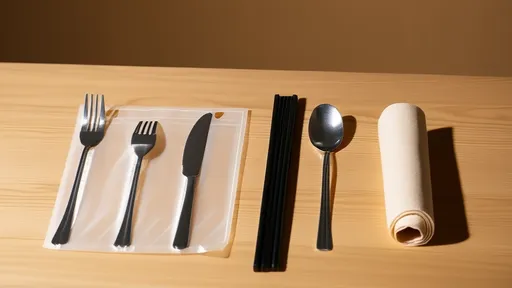
In the quiet moments before a meal arrives at our doorstep, there exists a ritual so commonplace it often escapes our attention—the unwrapping of individually packaged cutlery. This seemingly insignificant act, repeated millions of times daily across the globe, is far more than a prelude to dining; it is a microcosm of modern consumer culture, environmental ethics, and personal convenience clashing in the palm of one’s hand.

The first contact is usually auditory—the distinct crinkle of plastic or the soft tear of paper. For many, this sound is synonymous with anticipation, the signal that a meal is moments away from being enjoyed. The packaging, whether a slim plastic sleeve, a paper envelope, or a more elaborate kit complete with napkin, straw, and condiments, is designed for one thing: hygiene. In a post-pandemic world, the assurance of cleanliness has become paramount. Restaurants and delivery platforms justify this individual wrapping as a necessary barrier, a guarantee to the customer that their utensils have not been touched by another human hand since being sterilized and sealed. This promise of safety, however, comes wrapped in a paradox.

Beneath the surface of this convenience lies an environmental ledger that is deeply in the red. The majority of these single-use packages are made from plastics derived from fossil fuels—materials designed to last for centuries, used for mere seconds before being discarded. Even paper-based packaging, often perceived as the greener alternative, carries a hidden cost: the energy, water, and chemicals expended in its production, frequently lined with thin plastic films to prevent grease from seeping through, rendering it non-recyclable in most municipal systems. The individual wrapping of a single fork becomes a symbol of a linear economy—take, make, dispose—on a devastatingly miniature scale.

The act of unwrapping is also a moment of decision, however unconscious. Most consumers, hungry and focused on their meal, do not pause to consider the lifecycle of the plastic sheath they’ve just torn open. It is an accepted, almost invisible part of the transaction. Yet, for a growing minority, that same crinkle is a note of dissonance. It is a trigger for climate anxiety, a small but persistent reminder of the immense waste generated by the convenience economy. This divide in consumer consciousness is where the battle for sustainable practices is quietly being fought.

Industry response has been a mix of innovation and hesitation. Some forward-thinking restaurants and apps now offer an "opt-out" option for cutlery altogether, a simple checkbox that places the burden of choice on the customer. Others are experimenting with biodegradable materials made from cornstarch or bamboo, though these solutions are not without their own complications. True biodegradability often requires specific industrial composting conditions that are unavailable to most consumers, meaning these "eco-friendly" packages frequently end up in the same landfills as their conventional counterparts, failing to break down as intended. The search for a perfect, scalable solution remains elusive.

Furthermore, the independent wrapping of cutlery speaks to a broader cultural shift towards hyper-individualization. We live in an era of personalized meals, customized delivery instructions, and products tailored to individual tastes. The individually wrapped utensil is the physical manifestation of this trend—a tool designated for one person, alone. It reinforces a mindset of singularity over community, of personal convenience over collective resource sharing. In contrast, a traditional household operates with a drawer of shared cutlery, washed and reused. The delivery model disrupts this norm, outsourcing the cleaning and providing a sterile, personal set for every single meal, every single time.

The future of this tiny yet significant piece of packaging is uncertain. Legislative pressures are mounting in various cities and countries to ban single-use plastics outright, which would force the industry to adapt rapidly. Technological advancements might eventually provide a truly sustainable material that is cheap, effective, and widely compostable. However, the most profound change may need to be cultural. It requires a reevaluation of what we consider necessary for convenience and a collective willingness to embrace slightly less convenience for a far greater environmental good. Perhaps the solution is not a better wrapper, but fewer wrappers altogether.

In the end, the simple act of tearing open a package of cutlery is a gesture loaded with meaning. It is a connection point between a hungry individual and a vast global system of production, distribution, and waste. Each tear is a vote, a silent endorsement of the practices behind the meal. As we become more aware of the consequences of these micro-actions, the hope is that the sound of that crinkle will not be one of thoughtless consumption, but a conscious step towards a more considered and sustainable way of living, one meal at a time.
Recommend Posts
Health

Matching Water Output of Water Purifiers to Family Population

By /Aug 26, 2025

In the quest for healthier living, many households have turned to water purification systems as a fundamental appliance. Yet, a common oversight persists—selecting a unit based solely on filtration technology or brand reputation while neglecting one of the most practical considerations: matching the system’s water output capacity to the number of people in the home. This alignment is not merely about convenience; it directly impacts daily efficiency, cost-effectiveness, and the long-term value of the investment.
Health

Sun Protection Clothing UV Light Test

By /Aug 26, 2025

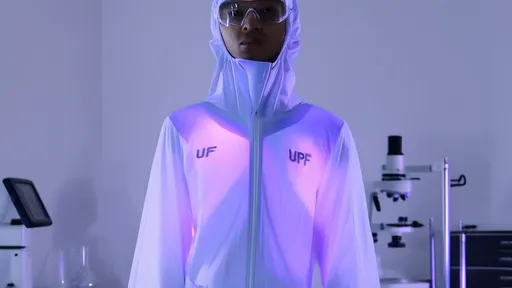
As summer approaches and outdoor activities beckon, the quest for effective sun protection becomes paramount. Among the myriad options available, sun-protective clothing has surged in popularity, marketed as a convenient and reliable shield against harmful ultraviolet radiation. But how well do these garments truly perform under the harsh scrutiny of ultraviolet light? To answer this, we conducted a series of tests using specialized UV lamps to evaluate the efficacy of various sun-protective fabrics, examining not just the promised UPF ratings but the real-world performance that consumers can expect when donning these modern armors against the sun.
Health

Anti-Misoperation Lock Design for Electronic Pill Boxes"

By /Aug 26, 2025

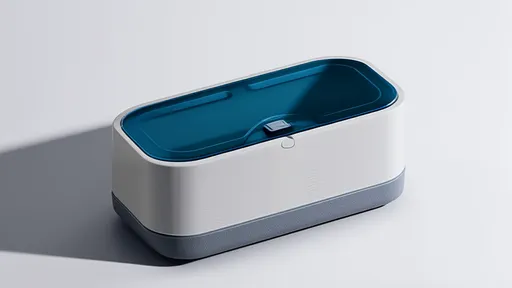
In the intricate world of medical adherence technology, the electronic pillbox has emerged as a cornerstone device, a silent guardian in countless homes where medication schedules dictate the rhythm of daily life. These devices are more than mere containers; they are sophisticated systems designed to remind, organize, and ultimately, save lives. Yet, for all their programmed intelligence, a significant and often overlooked vulnerability persists: the accidental press. A simple, unintended bump, a curious pet, or a misplaced object can disarm an entire day's carefully calculated regimen, turning a tool of safety into a source of risk. This inherent flaw has catalyzed a dedicated pursuit within biomedical engineering and product design—the development and refinement of the accidental press prevention lock, a feature that is rapidly evolving from a luxury add-on to an indispensable standard.
Health

Monthly Volume Test for Elderly Fall Alerts

By /Aug 26, 2025

In the quiet corridors of assisted living facilities and private homes, a silent guardian hums with purpose. The monthly volume testing of elderly fall alert systems represents far more than a routine check—it stands as a critical ritual in the ongoing battle to protect our most vulnerable population. These devices, often worn as pendants or wristbands, serve as a direct lifeline during moments of crisis. Yet, their effectiveness hinges entirely on one often-overlooked factor: audibility. A soft-spoken alert is as useless as no alert at all, making the consistent, rigorous testing of speaker volume and clarity not just advisable, but absolutely non-negotiable for ensuring senior safety.
Health

Preheating and Calibration Environment for Home Formaldehyde Meters

By /Aug 26, 2025

In the realm of indoor air quality monitoring, the accuracy of formaldehyde detectors has become a focal point for homeowners and health-conscious individuals. These devices, designed to detect and measure formaldehyde levels, are only as reliable as their calibration and the environment in which they are used. The process begins long before the first reading is taken, rooted in the critical stages of preheating and calibration. Understanding the nuances of these preparatory steps is essential for ensuring that the data you receive is not just numbers on a screen, but a true reflection of your indoor air safety.
Health

Suggested Nail Polish Removal for Blood Oxygen Monitoring

By /Aug 26, 2025

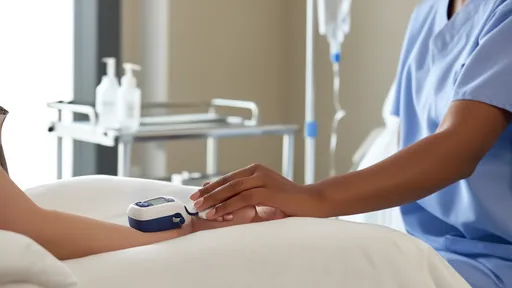
In the realm of modern health monitoring, pulse oximeters have become ubiquitous tools, providing critical insights into blood oxygen saturation levels with a simple clip of the finger. These devices, often used in both clinical settings and home environments, rely on light absorption principles to measure how much oxygen is carried in the bloodstream. However, an often-overlooked factor that can significantly interfere with the accuracy of these readings is the presence of nail polish. Whether it's a classic red, a dark burgundy, or even a subtle shimmer, that layer of color on your nails might be more than just a fashion statement—it could be a barrier to reliable health data.
Health

Read the Drug Leaflet in Sufficient Light

By /Aug 26, 2025

In the quiet corners of pharmacies and the hurried aisles of supermarkets, a small but crucial document accompanies every medication we purchase—the drug information leaflet. These unassuming sheets of paper hold the key to safe and effective medication use, yet their importance is often overlooked in the rush of daily life. Among the many factors that determine whether this vital information is properly absorbed, one stands out as both simple and frequently neglected: the need for adequate lighting when reading medication instructions.
Health

Screen Brightness Settings for Electronic Medical Insurance Voucher

By /Aug 26, 2025

In the digital transformation of healthcare, the electronic medical insurance certificate has emerged as a pivotal tool, streamlining processes and enhancing accessibility for millions. Among its many features, one seemingly minor yet critically important aspect is screen brightness adjustment. While often overlooked, the ability to customize display settings plays a significant role in user experience, accessibility, and even security. This article delves into the nuances of screen brightness settings for electronic medical insurance certificates, exploring their implications and offering insights into optimizing this feature.
Health

Privacy Settings for Health Data Cross-Platform Migration

By /Aug 26, 2025

As digital health becomes increasingly integrated into our daily lives, the movement of personal health data across platforms has emerged as a critical frontier in both technological innovation and privacy protection. The promise of interconnected health ecosystems—where wearable devices, electronic health records, and wellness applications seamlessly share information—offers tremendous potential for personalized care and medical breakthroughs. Yet, this very interconnectedness raises profound questions about who controls our most sensitive information and how it is safeguarded during transit between systems.
Health

Health Data Synchronization During Smart Wristband Charging Periods

By /Aug 26, 2025

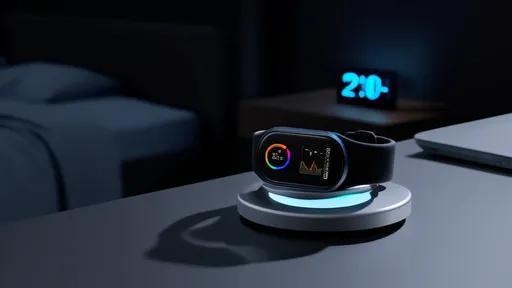
In the rapidly evolving landscape of wearable technology, the synchronization of health data during smartwatch charging periods has emerged as a critical yet often overlooked aspect of user experience. While most users focus on battery life and activity tracking, the behind-the-scenes data transfer that occurs when these devices are powered down for charging holds significant implications for health monitoring accuracy and user convenience. This process represents a sophisticated interplay between hardware efficiency and software intelligence, ensuring that valuable biometric information seamlessly integrates with health platforms even during downtime.
Health

Unsealing Individually Packaged Takeout Utensils

By /Aug 26, 2025

In the quiet moments before a meal arrives at our doorstep, there exists a ritual so commonplace it often escapes our attention—the unwrapping of individually packaged cutlery. This seemingly insignificant act, repeated millions of times daily across the globe, is far more than a prelude to dining; it is a microcosm of modern consumer culture, environmental ethics, and personal convenience clashing in the palm of one’s hand.
Health

Choosing Distant Objects for Eye Strain Relief

By /Aug 26, 2025

In our increasingly screen-dominated lives, the phenomenon of digital eye strain has become a common companion for many. The discomfort of tired, dry, or strained eyes after long hours in front of computers, smartphones, or tablets is an experience shared by office workers, students, and casual users alike. While numerous strategies exist to alleviate this modern malaise, one of the most frequently recommended—and yet often misunderstood—practices is the act of looking into the distance. The simple advice to "look far away" to rest your eyes is pervasive, but the critical question remains: what should you actually be looking at? The choice of a distant object is not merely a trivial detail; it is a nuanced decision that can significantly influence the effectiveness of this visual respite.
Health

Rhythmic Adjustment of Seat Height During Prolonged Sitting"

By /Aug 26, 2025

In the modern workspace, where hours melt into days spent anchored to our desks, the subtle art of chair height adjustment has emerged from the shadows of ergonomic minutiae to claim its rightful place as a cornerstone of physical well-being and productivity. This is not merely about finding a single, static "perfect" setting, as many office guides might simplistically suggest. Instead, it advocates for a dynamic, almost rhythmic approach to how we interact with our primary work tool—the office chair. The concept of a micro-adjustment rhythm transforms a mundane task into a proactive strategy for health.
Health

Adjustment of Air Conditioner Outlet's Directional Vane

By /Aug 26, 2025

In the quiet hum of modern living, few components play as crucial yet understated a role as the adjustable air vent deflector. These unassuming panels, often overlooked in the grand scheme of climate control systems, hold the key to personalized comfort and energy efficiency in homes and offices worldwide. While we marvel at smart thermostats and inverter technology, it is the simple act of redirecting airflow that often makes the most immediate difference in our daily environment.
Health

Selecting a Portable Kettle for Business Trips

By /Aug 26, 2025

In the ever-evolving landscape of modern travel, the quest for convenience and comfort has led to the rise of numerous portable gadgets designed to enhance the on-the-go experience. Among these, the portable electric kettle stands out as a particularly practical companion for travelers who value a hot beverage or a quick meal preparation without relying on uncertain hotel amenities or questionable public facilities. The selection of an ideal travel kettle, however, is far from a straightforward decision; it involves a careful consideration of factors ranging from size and weight to safety features and power compatibility.
Health

Adjusting Camera Angles Before Video Conferencing

By /Aug 26, 2025

In the rapidly evolving landscape of remote collaboration, the nuances of video conferencing setup have emerged as a critical factor in professional communication. Among these, the adjustment of camera angles before joining a meeting is no longer a mere technicality but a fundamental aspect of presenting oneself effectively in virtual environments. As organizations continue to embrace hybrid and fully remote models, understanding and optimizing this element can significantly influence perceptions, engagement, and overall meeting productivity.
Health

Afternoon Efficiency Low Standing Water Strategy"

By /Aug 26, 2025

It happens to the best of us. The clock ticks past 2 PM, the post-lunch haze solidifies into a mental fog, and the glow of your computer screen seems to dim along with your cognitive sharpness. This is the afternoon productivity slump, a universally acknowledged yet often mismanaged period of the workday. While countless strategies exist to combat this dip, from caffeine boosts to power naps, one surprisingly simple and profoundly effective tactic is gaining traction: the strategic standing water break.
Health

Snack Zone Management in Workstation Drawers

By /Aug 26, 2025

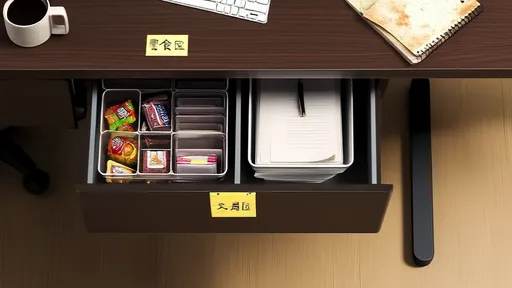
In the modern workplace, the humble desk drawer has evolved from a simple storage space into a microcosm of personal organization and office culture. Among its various roles, one of the most telling and universally appreciated is its function as a private snack repository. The management of this snack drawer, particularly its partitioning system, has become an unspoken art form among professionals. It reflects not only personal discipline but also a nuanced understanding of one's daily needs, cravings, and even social interactions within the office environment.
Health

Regular Removal of Keyboard Keycaps for Dust Cleaning

By /Aug 26, 2025

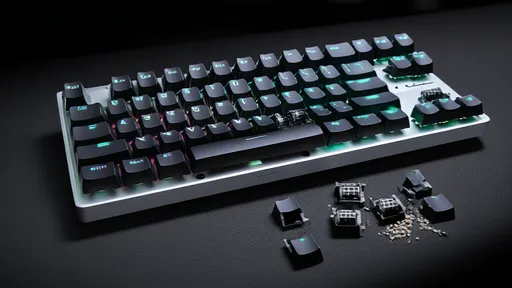
Anyone who spends considerable time typing knows the gradual accumulation of dust, crumbs, and grime that settles between keyboard keys. For many, it's an annoyance shrugged off until keys begin to stick or the board looks visibly unclean. Yet, the practice of regularly removing keycaps for a thorough cleaning is more than an aesthetic choice—it's a crucial aspect of maintaining both the hardware's longevity and the user's health. Over time, debris can interfere with the mechanical switches beneath, leading to reduced responsiveness or even permanent damage. Moreover, keyboards can become breeding grounds for bacteria and allergens. Establishing a routine for keycap removal and cleaning not only preserves your equipment but also promotes a more hygienic workspace.
Health

Anti-Glare Wipe for Top Screen Cleaning

By /Aug 26, 2025

In the digital age, our screens are our windows to the world—but how often do we stop to consider their clarity? The topic of screen cleaning, particularly with anti-glare wipes, might seem mundane at first glance, yet it holds surprising significance for both productivity and eye health. As we spend increasing hours glued to devices, from smartphones to monitors, the accumulation of dust, fingerprints, and smudges isn't just an aesthetic nuisance; it can exacerbate glare, strain our eyes, and even impact the longevity of our screens. This is where the humble anti-glare wipe steps in, not as a mere cleaning tool, but as a guardian of visual comfort and device maintenance.