It happens to the best of us. The clock ticks past 2 PM, the post-lunch haze solidifies into a mental fog, and the glow of your computer screen seems to dim along with your cognitive sharpness. This is the afternoon productivity slump, a universally acknowledged yet often mismanaged period of the workday. While countless strategies exist to combat this dip, from caffeine boosts to power naps, one surprisingly simple and profoundly effective tactic is gaining traction: the strategic standing water break.
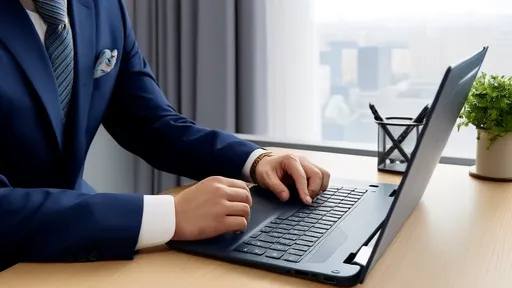
The science behind the afternoon slump is well-documented. Our circadian rhythms naturally dip in the early afternoon, leading to decreased alertness and concentration. Coupled with the metabolic effort of digesting lunch, this creates a perfect storm for lethargy. We often respond by grinding harder, squinting at spreadsheets, or reaching for another cup of coffee. However, this approach frequently leads to diminishing returns, eye strain, and later caffeine-induced sleep disruptions. The solution isn't to push through the fatigue but to strategically disrupt it.
This is where the humble act of fetching water transforms from a basic necessity into a powerful productivity tool. The strategy is deceptively simple: upon feeling the first signs of the afternoon energy valley—be it yawning, difficulty focusing, or restlessness—you consciously decide to stand up and walk to a water source that is not at your desk. The key is intentionality; this is not about absentmindedly reaching for a water bottle but about creating a deliberate micro-break centered around hydration.
The magic of this strategy lies in its multi-faceted attack on sluggishness. First, and most obviously, is hydration. Mild dehydration is a notorious thief of energy and cognitive function. Even a 1-2% drop in hydration levels can impair focus, memory, and mood. The afternoon is a prime time for this deficit to manifest, making rehydration a direct biochemical countermeasure to the slump. Drinking water helps maintain blood volume and oxygen flow to the brain, essential for clear thinking.
Second, and perhaps more critical, is the act of standing and moving. Sedentary behavior is a major contributor to feelings of fatigue. Remaining static for hours on end leads to muscle stiffness, poor circulation, and mental stagnation. The simple act of pushing your chair back and standing up engages core muscles, increases your heart rate slightly, and stimulates blood flow. This physical jolt sends a signal to your brain that it's time to re-engage, pulling you out of a passive state and back into an active one.
The third component is the change of scenery. Walking to a kitchen, water cooler, or even a bathroom sink provides a crucial sensory shift. Your eyes focus on different distances, giving the screen-weary muscles a rest. You encounter different lighting, sounds, and perhaps even a brief, non-work-related interaction with a colleague. This mental context switch is a form of cognitive reset. It breaks the monotonous loop of task-after-task and allows your brain to momentarily decompress, returning to your desk with a slightly refreshed perspective.
Implementing this strategy effectively requires more thought than simply getting a drink. To maximize its impact, make the journey purposeful. Don't choose the closest source if a farther one is available. Those extra steps matter. While walking, practice mindfulness. Notice the feeling of your feet on the floor, the temperature of the air, the taste of the water. This thirty-second mindfulness practice can significantly enhance the resetting effect. Furthermore, make it a ritual. By consistently responding to your body's slump signals with this action, you create a powerful Pavlovian response. Your mind begins to associate the act with renewal.
Managers and team leaders should take note of this low-cost, high-yield strategy. Instead of discouraging breaks, actively encouraging them can boost overall team output. Positioning appealing hydration stations centrally can facilitate these beneficial micro-breaks. Cultivating a culture where employees feel empowered to step away for a moment to recharge is far more productive than one that prizes uninterrupted sitting, which often leads to prolonged presenteeism—where people are at their desks but not truly productive.
Of course, this is not a silver bullet. It works best as part of a holistic approach to energy management, which includes quality sleep, nutritious eating, and regular exercise. However, its beauty is in its accessibility and immediacy. Anyone can do it, at any time, without special equipment or approval. It costs nothing and has zero negative side effects. In the relentless pursuit of productivity hacks and bio-optimization, we sometimes overlook the profound power of basic physiological needs: movement, water, and a moment of pause.
So, the next time the afternoon weighs heavy and your focus begins to drift, resist the urge to slump further into your chair. Instead, listen to that signal. Stand up, walk with purpose, and pour a glass of water. This simple, strategic act is more than just hydration; it is a deliberate recalibration of your body and mind, a small rebellion against the sluggish status quo, and a proven method to reclaim your momentum and navigate the rest of your day with renewed clarity and vigor.

By /Aug 26, 2025

By /Aug 26, 2025
By /Aug 26, 2025

By /Aug 26, 2025

By /Aug 26, 2025

By /Aug 26, 2025

By /Aug 26, 2025

By /Aug 26, 2025

By /Aug 26, 2025

By /Aug 26, 2025

By /Aug 26, 2025

By /Aug 26, 2025

By /Aug 26, 2025
By /Aug 26, 2025

By /Aug 26, 2025
By /Aug 26, 2025

By /Aug 26, 2025
By /Aug 26, 2025
By /Aug 26, 2025

By /Aug 26, 2025