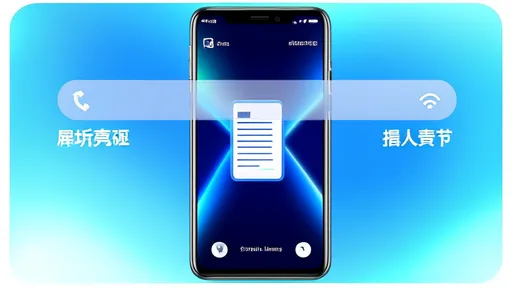
In the digital transformation of healthcare, the electronic medical insurance certificate has emerged as a pivotal tool, streamlining processes and enhancing accessibility for millions. Among its many features, one seemingly minor yet critically important aspect is screen brightness adjustment. While often overlooked, the ability to customize display settings plays a significant role in user experience, accessibility, and even security. This article delves into the nuances of screen brightness settings for electronic medical insurance certificates, exploring their implications and offering insights into optimizing this feature.
The electronic medical insurance certificate, a digital counterpart to traditional physical cards, is designed to be accessed via smartphones, tablets, or other digital devices. Its primary function is to provide quick, secure access to medical insurance information, facilitating smoother transactions at healthcare facilities. However, the effectiveness of this tool heavily relies on its usability, and screen brightness is a key factor here. A display that is too dim may render the certificate unreadable in bright environments, such as outdoors or under harsh clinic lighting, causing delays and frustration. Conversely, excessive brightness can lead to eye strain, especially during prolonged use, and may drain device battery life unnecessarily.
From an accessibility standpoint, screen brightness settings are crucial for individuals with visual impairments. Many users, particularly the elderly or those with conditions like photophobia, require lower brightness levels to view content comfortably. On the other hand, individuals with low vision might need higher brightness to distinguish details on the screen. The electronic medical insurance certificate, as a tool meant for broad public use, must cater to these diverse needs. customizable brightness ensures that the certificate is inclusive, allowing users to adjust their screens according to their personal comfort and visual capabilities. This not only enhances usability but also aligns with broader efforts to make digital healthcare tools equitable for all.
Security is another dimension where screen brightness plays a subtle yet vital role. When displaying sensitive information such as insurance details or QR codes for verification, an overly bright screen might make the content visible to unintended onlookers, potentially compromising privacy. In crowded spaces like hospitals or pharmacies, this could lead to unauthorized access to personal data. Adjustable brightness allows users to lower their screen intensity in such scenarios, reducing the risk of shoulder surfing and enhancing data protection. Moreover, in low-light conditions, a dimmer screen can prevent glare that might obscure important details, ensuring that scans and verifications are accurate and efficient.
The technical implementation of brightness control in electronic medical insurance apps often involves integration with device-level settings or built-in app-specific adjustments. Many modern applications leverage the ambient light sensors in smartphones to auto-adjust brightness, providing an optimal viewing experience based on surrounding conditions. For instance, in a well-lit hospital corridor, the app might automatically increase brightness to maintain readability, while in a dimly lit waiting room, it could reduce glare. However, users should also have the option to manually override these settings, as automated systems may not always align with individual preferences or specific situations.
Beyond functionality, screen brightness impacts energy consumption and device performance. Medical insurance apps, like other digital tools, are frequently used on-the-go, where battery life is a concern. A brightly lit screen consumes significantly more power, which can be a drawback for users who rely on their devices throughout the day. By encouraging users to adopt appropriate brightness levels—such as dimmer settings indoors or adaptive brightness in changing environments—developers can promote energy efficiency. This not only extends device battery life but also contributes to sustainability, a growing consideration in digital product design.
User behavior and preferences vary widely, and understanding these can inform better design choices for electronic medical insurance certificates. For example, younger users might prefer brighter screens for quick readability, while older adults may opt for softer settings to reduce eye fatigue. Cultural factors also play a role; in regions with high average sunlight, users might consistently need higher brightness outdoors. App developers and healthcare providers should consider these nuances, offering intuitive brightness controls that are easy to access and adjust. This user-centric approach can significantly enhance satisfaction and engagement with digital healthcare tools.
Looking ahead, advancements in display technology may further revolutionize how screen brightness is managed in electronic medical insurance certificates. The adoption of OLED screens, which allow for per-pixel brightness control and deeper blacks, could improve readability while conserving energy. Additionally, features like blue light filters—often integrated with brightness settings—can reduce eye strain during evening use, making the certificate more comfortable to access at any time. As artificial intelligence becomes more sophisticated, predictive brightness adjustment based on user habits and environmental cues could offer a seamless, personalized experience without manual intervention.
In conclusion, while screen brightness might appear to be a minor feature in electronic medical insurance certificates, its implications are far-reaching. From enhancing accessibility and security to improving energy efficiency and user satisfaction, this simple setting plays a multifaceted role in the overall effectiveness of digital healthcare tools. As these certificates become increasingly integral to healthcare systems worldwide, prioritizing thoughtful design in elements like brightness adjustment will be key to ensuring they are practical, inclusive, and secure for all users. By paying attention to such details, developers and policymakers can foster a more resilient and user-friendly digital healthcare ecosystem.

By /Aug 26, 2025

By /Aug 26, 2025

By /Aug 26, 2025
By /Aug 26, 2025

By /Aug 26, 2025
By /Aug 26, 2025

By /Aug 26, 2025
By /Aug 26, 2025

By /Aug 26, 2025
By /Aug 26, 2025

By /Aug 26, 2025

By /Aug 26, 2025

By /Aug 26, 2025

By /Aug 26, 2025

By /Aug 26, 2025

By /Aug 26, 2025

By /Aug 26, 2025

By /Aug 26, 2025

By /Aug 26, 2025

By /Aug 26, 2025