In the modern workplace, the humble desk drawer has evolved from a simple storage space into a microcosm of personal organization and office culture. Among its various roles, one of the most telling and universally appreciated is its function as a private snack repository. The management of this snack drawer, particularly its partitioning system, has become an unspoken art form among professionals. It reflects not only personal discipline but also a nuanced understanding of one's daily needs, cravings, and even social interactions within the office environment.
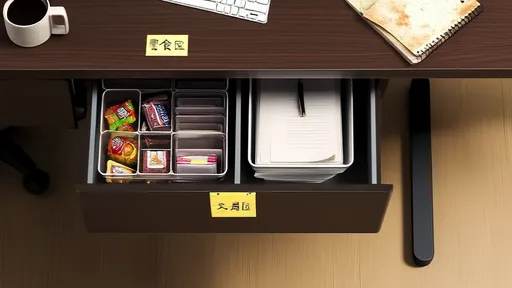
The concept of partitioning goes beyond mere separation; it is about creating a structured ecosystem within a confined space. Employees often begin with a chaotic jumble of wrappers and containers, but through trial and error, they discover that a well-organized drawer can significantly enhance daily efficiency and satisfaction. This organization isn't just about aesthetics—it serves practical purposes. By dedicating specific sections to different types of snacks, individuals can quickly locate what they need without rummaging, thus minimizing disruption during busy work hours. Moreover, a partitioned drawer helps in inventory management, allowing one to track supplies and avoid the disappointment of reaching for a favorite treat only to find it missing.
One common approach involves categorizing snacks by type. Savory items like chips, pretzels, and nuts might occupy one quadrant, while sweet treats such as chocolate bars, candies, and cookies claim another. This separation prevents flavor cross-contamination—a critical consideration for those who prefer their snacks pristine. Within these broad categories, further subdivisions can occur. For instance, the savory section might have a dedicated area for healthy options like roasted almonds or whole-grain crackers, distinct from the more indulgent potato chips or cheese puffs. Similarly, the sweet zone could differentiate between dark chocolate (for those moments requiring a sophisticated boost) and gummy bears (for when pure sugar therapy is essential).
Another popular partitioning strategy is based on frequency of use or urgency. Snacks that are consumed daily, such as a mid-morning energy bar or an afternoon pick-me-up, are often placed in the most accessible front part of the drawer. Meanwhile, reserve items or special treats for celebrating small victories might be stored toward the back, ensuring they are saved for appropriate occasions. This method not only streamlines access but also incorporates an element of psychological reward—delaying gratification by keeping coveted snacks just out of immediate reach can make them more satisfying when finally enjoyed.
The physical dividers used in these drawers are as varied as the snacks themselves. Some employees repurpose household items: small cardboard boxes, plastic containers, or even empty tissue boxes can create effective barriers. Others invest in customizable organizer trays designed specifically for drawers, which offer sleek compartments that slide neatly into place. The choice of divider often reflects the individual's commitment to their system. A meticulously arranged set of matching containers suggests a high level of dedication to snack management, whereas improvised solutions might indicate a more pragmatic, though still effective, approach.
Beyond personal benefits, the partitioned snack drawer plays a subtle role in workplace social dynamics. It becomes a curated collection that employees might share with colleagues during breaks or meetings. Having a well-organized drawer makes it easier to offer choices to others, enhancing camaraderie and fostering a collaborative atmosphere. For example, a clearly marked section for sharing—stocked with individually wrapped items—can signal generosity and thoughtfulness. Conversely, a private stash hidden in a less accessible partition might denote boundaries, respectfully indicating which treats are off-limits without the need for verbal explanation.
Seasonal changes and shifting dietary goals also influence how these drawers are partitioned. At the start of a new year, many might create a larger section for healthy snacks as part of resolution-related goals, pushing indulgent items to a smaller, less prominent area. During holidays, special treats like festive candies or homemade cookies might temporarily dominate the space. This adaptability highlights the drawer's role as a dynamic tool that evolves with the employee's needs, serving as a mirror to their current priorities and moods.
Interestingly, the practice of snack drawer partitioning has garnered attention beyond individual desks. Some forward-thinking companies have begun to recognize its impact on employee well-being and productivity. In a few innovative offices, management has even provided organizational tools or guidelines to encourage efficient snack storage, acknowledging that a satisfied, well-nourished employee is often a more focused and happy one. This institutional endorsement underscores the fact that what might seem like a trivial personal habit can contribute to broader organizational culture.
However, maintaining such a system requires ongoing effort. Regular audits are necessary to remove expired items, restock favorites, and reassess partitions based on changing tastes or needs. Neglect can lead to clutter, defeating the purpose of the initial organization. Yet, those who commit to the process often find it meditative—a small act of control in an otherwise chaotic workday. The ritual of organizing the snack drawer can serve as a brief mental break, offering a sense of accomplishment and readiness to tackle upcoming tasks.
In conclusion, the partitioned snack drawer is far more than a place to store food; it is a carefully managed resource that enhances daily work life through structure, efficiency, and personal expression. Its design reflects individual preferences and adapts to social and seasonal contexts, making it a unique aspect of modern office culture. Whether through sophisticated organizers or simple DIY solutions, employees continue to refine this practice, proving that even the smallest spaces can be optimized for maximum benefit and enjoyment.
By /Aug 26, 2025

By /Aug 26, 2025
By /Aug 26, 2025

By /Aug 26, 2025

By /Aug 26, 2025

By /Aug 26, 2025

By /Aug 26, 2025

By /Aug 26, 2025

By /Aug 26, 2025

By /Aug 26, 2025
By /Aug 26, 2025

By /Aug 26, 2025

By /Aug 26, 2025

By /Aug 26, 2025

By /Aug 26, 2025

By /Aug 26, 2025

By /Aug 26, 2025
By /Aug 26, 2025
By /Aug 26, 2025

By /Aug 26, 2025