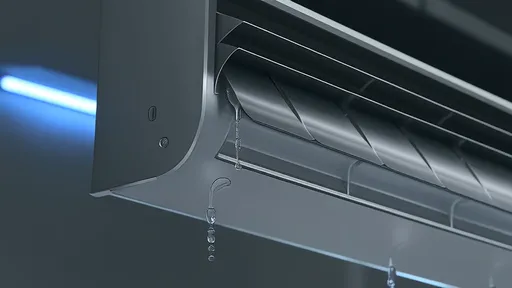
In the quiet hum of modern living, few components play as crucial yet understated a role as the adjustable air vent deflector. These unassuming panels, often overlooked in the grand scheme of climate control systems, hold the key to personalized comfort and energy efficiency in homes and offices worldwide. While we marvel at smart thermostats and inverter technology, it is the simple act of redirecting airflow that often makes the most immediate difference in our daily environment.
The fundamental purpose of these directional vanes, or louvers, extends far beyond mere air redirection. When properly adjusted, they create a harmonious circulation pattern that eliminates hot and cold spots, prevents stagnant air pockets, and maintains consistent temperature distribution throughout the space. This seemingly minor adjustment transforms the character of a room, turning an oppressive atmosphere into a perfectly balanced environment where comfort becomes seamless and almost unnoticeable—exactly as ideal climate control should be.
Many users remain unaware that incorrect deflector positioning can significantly undermine their HVAC system's performance. When vents are closed or pointed toward walls and obstacles, the entire system must work harder to achieve the desired temperature, leading to increased energy consumption and unnecessary wear on components. The proper orientation of these guides ensures that conditioned air moves freely through the living space, allowing the system to operate at peak efficiency while reducing utility costs.
Seasonal adjustments represent another critical aspect often overlooked by homeowners. During summer months, cool air should be directed upward to facilitate natural dropping and circulation, while winter heating benefits from downward airflow to push warm air from ceiling level back into the living space. This simple seasonal recalibration can improve comfort levels dramatically while potentially reducing energy usage by fifteen percent or more according to energy efficiency studies.
The material composition and design of these deflectors have evolved significantly over recent decades. Modern units feature aerodynamic profiles that minimize turbulence and noise generation while maximizing airflow direction precision. High-quality materials resist warping from temperature fluctuations and maintain their positioning integrity over years of use. These improvements might seem incremental, but they contribute substantially to both performance and user satisfaction.
In commercial settings, the strategic adjustment of air deflectors becomes even more critical. Large open spaces with varying occupancy patterns require careful airflow management to maintain comfort across different zones. Restaurant dining areas, retail spaces, and office environments each present unique challenges that can be addressed through thoughtful vent adjustment rather than costly system modifications or temperature compromises.
Technological integration has begun reaching even these simple components. Smart vent systems now allow remote adjustment of individual vent deflectors through smartphone applications, creating truly zoned climate control without extensive renovation. These systems can automatically close vents in unoccupied rooms or adjust airflow based on real-time temperature readings, bringing precision climate management to spaces that previously relied on crude manual adjustments.
The relationship between furniture placement and airflow direction represents another consideration frequently neglected. Positioning deflectors to avoid direct airflow toward seating areas prevents the uncomfortable blowing sensation many find bothersome, while still maintaining effective room circulation. This subtle refinement separates adequate climate control from exceptional environmental management.
Maintenance aspects deserve equal attention, as dust accumulation on deflector vanes can disrupt airflow patterns and reduce system efficiency. Regular cleaning ensures smooth operation and prevents the redistribution of allergens throughout living spaces. The simple act of wiping vanes during routine cleaning can maintain optimal performance without requiring professional service.
Architectural integration has become increasingly sophisticated, with designers now incorporating adjustable airflow management into their initial plans rather than treating it as an afterthought. Custom vent designs that blend seamlessly with interior decor while providing superior directional control represent the growing recognition of these components' importance in overall environmental quality.
The psychological impact of properly managed airflow should not be underestimated. Studies in environmental psychology indicate that air movement quality directly influences perceived comfort levels, with well-distributed airflow contributing to higher satisfaction ratings even at less ideal temperatures. This demonstrates how mechanical adjustment intersects with human experience in profound ways.
Looking toward future developments, researchers are exploring materials that can automatically adjust their angle based on temperature differentials or airflow velocity. These self-regulating systems would eliminate manual adjustments while optimizing performance continuously. Though still in experimental stages, such innovations promise to make airflow management even more seamless and effective.
For now, the power remains in users' hands—literally. The simple turn of a vane or adjustment of a panel continues to offer immediate improvement in environmental comfort. This direct control represents one of the few aspects of modern climate systems that remains entirely mechanical and instantly responsive without digital intermediaries.
The humility of these components belies their significance. In an age of technological complexity, the adjustable air deflector stands as testament to the power of simple, mechanical solutions to enhance sophisticated systems. Their proper use requires no specialized knowledge, yet yields disproportionate benefits in comfort, efficiency, and system longevity.
As we continue advancing climate control technology, the fundamental principles of airflow management remain constant. The deliberate direction of conditioned air toward where it's needed most, in the most efficient manner possible, will always form the foundation of effective environmental control. The adjustable deflector, in its elegant simplicity, embodies this principle perfectly.
Perhaps the greatest lesson lies in recognizing that sometimes the most effective improvements come not from revolutionary technology, but from mastering the proper use of existing components. Before investing in system upgrades or smart devices, consider whether you've fully utilized the adjustment capabilities already at your fingertips. The answer might surprise you with its effectiveness.

By /Aug 26, 2025

By /Aug 26, 2025

By /Aug 26, 2025

By /Aug 26, 2025

By /Aug 26, 2025

By /Aug 26, 2025

By /Aug 26, 2025

By /Aug 26, 2025

By /Aug 26, 2025

By /Aug 26, 2025

By /Aug 26, 2025

By /Aug 26, 2025

By /Aug 26, 2025
By /Aug 26, 2025

By /Aug 26, 2025

By /Aug 26, 2025

By /Aug 26, 2025

By /Aug 26, 2025
By /Aug 26, 2025

By /Aug 26, 2025