The world of tea is a universe of subtle transformations, where a single leaf, through the alchemy of processing, can yield a spectrum of aromas from grassy and vegetal to deeply malty and sweet. At the heart of this metamorphosis lies a fundamental chemical process: the enzymatic oxidation of polyphenols. It is this very process, meticulously controlled and often misnamed as "fermentation," that acts as the primary architect of a tea's final character, building the foundational flavor precursors that define our sensory experience.
The journey begins in the tea garden. Within the freshly plucked Camellia sinensis leaf, a complex biochemical factory is still humming. Key among its constituents are the polyphenols, primarily a group of catechins. The most abundant of these, epigallocatechin gallate (EGCG), is responsible for the potent astringency and grassy, green notes characteristic of unprocessed leaves. Secluded in separate compartments within the leaf cells are the enzymes, with polyphenol oxidase (PPO) being the star player for oxidation. For these two components to interact and begin the transformation, the physical integrity of the leaf must be broken.
This initiation is achieved through a processing step universal to all tea types except white tea: maceration. Whether it's the meticulous rolling of orthodox teas, the crushing and tearing in CTC (Crush, Tear, Curl) production, or even the deliberate shaking and tumbling in oolong processing, the goal is the same. This physical damage bruises the leaf, rupturing the cell walls and allowing the catechins to flood out, mingling with the now-activated PPO enzymes in the presence of atmospheric oxygen. The dance of oxidation begins.
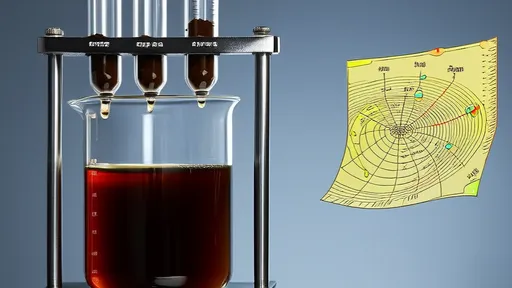
As the catechins oxidize, they dimerize and polymerize, forming entirely new compounds. The simple, astringent catechins are progressively converted into more complex molecules: theaflavins and thearubigins. Theaflavins, which form early in the process, contribute to the bright, brisk, and slightly bitter notes in a cup of tea, often associated with a desirable "punch" or "zing." They are the compounds that give a well-oxidized black tea its characteristic golden-orange hue and lively mouthfeel. As oxidation progresses further, these theaflavins themselves begin to transform into the larger, more polymerized thearubigins.
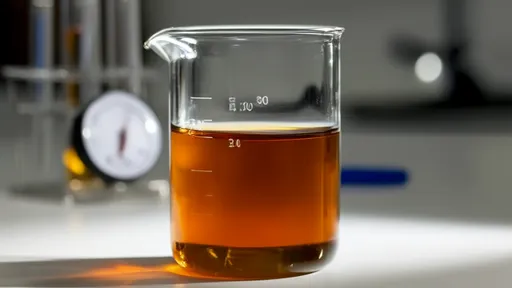
Thearubigins are the workhorses of color and body. These complex polymers are responsible for the deep amber, russet, and mahogany tones in the liquor of a black tea. They impart a full, rounded, and smooth mouthfeel, mitigating the astringency of the remaining catechins and the briskness of the theaflavins. They contribute to the malty, woody, and deep fruity notes that are the hallmark of a fully oxidized tea. The precise ratio of theaflavins to thearubigins, dictated by the duration and conditions of the oxidation, is a primary determinant of the tea's final flavor profile, its strength, and its color.
This process is not a monolithic event but a spectrum, and it is the master tea maker's manipulation of this spectrum that gives us the six major categories of tea. White tea undergoes minimal processing and virtually no intentional maceration or oxidation. The leaves are simply withered and dried, preserving the highest concentration of original catechins. This results in a liquor that is delicately floral, sweet, and subtly grassy, with a light golden hue—a direct reflection of its minimal polyphenol transformation.
Green tea’s defining step is the application of heat—through pan-firing, steaming, or baking—immediately after harvesting. This crucial step deactivates the PPO enzyme, effectively halting any significant enzymatic oxidation. The leaf's green color is "fixed," and the flavor profile remains close to that of the fresh leaf: vegetal, nutty, umami, and slightly astringent, with a green or yellow liquor. The flavor precursors here are the original catechins, preserved in their simplest form.
Oolong tea represents the art of partial oxidation, a controlled and often interrupted dance between maceration and oxidation. After plucking, the leaves are withered and then subjected to a specific rolling or tumbling process that bruises the edges of the leaves only. They are then allowed to oxidize for a predetermined period before being fired to halt the process. This results in a spectacularly diverse range of flavors. Lightly oxidized oolongs may express floral, creamy, and sweet notes as some catechins convert, while heavily oxidized oolongs develop deeper, stone fruit, roasted, and honeyed characteristics, boasting a more complex blend of theaflavins and thearubigins.
At the far end of the spectrum lies black tea (known as red tea in East Asia). Here, the leaves are fully macerated and allowed to oxidize completely until the desired aroma is achieved, a stage often judged by the master smeller. This extensive oxidation converts the majority of catechins into theaflavins and, predominantly, thearubigins. The result is the classic profile of black tea: robust, malty, sometimes smoky or spicy, with a full body and a deep red-brown liquor. The flavor precursors are almost entirely these oxidized compounds.
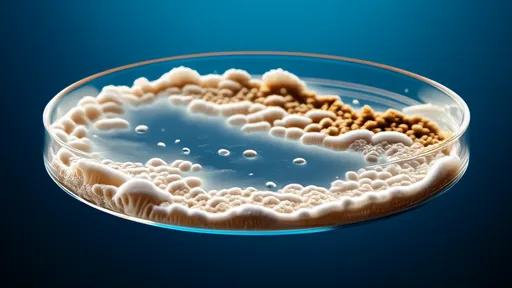
A unique category is post-fermented tea, such as Pu-erh. These teas undergo two distinct phases. First, they are processed similarly to green tea (kill-greened and dried), preserving the catechins. Then, they are subjected to a true microbial fermentation, where fungi and bacteria break down the leaf matter over months or years. This process, radically different from enzymatic oxidation, creates its own unique flavor precursors and compounds, resulting in deep, earthy, leathery, and often funky notes that can age and evolve for decades.
Beyond the broad categories, a myriad of factors influences the oxidation process and the resulting flavor precursor formation. The specific cultivar of Camellia sinensis plays a role, as some are naturally higher in certain catechins or enzymes. The terroir—the climate, soil, and altitude where the tea is grown—impacts the chemical composition of the leaf. Even the season of harvest alters the biochemistry; spring picks are often more nuanced and delicate, while summer picks can be bolder and more robust, offering a different substrate for oxidation.
The master tea maker's role is that of a conductor, orchestrating these variables. They control the withering time to reduce moisture and concentrate compounds, the pressure and duration of maceration to determine the rate of oxidation, and the temperature and humidity of the oxidation room to speed up or slow down the chemical reactions. The final firing step is the crescendo, using high heat to denature the enzymes and lock in the precise chemical profile achieved, preserving the delicate balance of flavor precursors until they are finally released in our cups.
Understanding that the "fermentation" of tea is, in fact, a precise enzymatic oxidation is key to appreciating the craft behind every cup. It is a controlled biochemical narrative where simple compounds in a green leaf are transformed into a vast array of complex flavor precursors. From the preserved grassy notes of a steamed sencha to the robust maltiness of an Assam black tea and the evolving earthiness of an aged Pu-erh, it is the degree of this transformation that writes the story of flavor, one enzymatic reaction at a time.
By /Aug 29, 2025
By /Aug 29, 2025

By /Aug 29, 2025
By /Aug 29, 2025
By /Aug 29, 2025
By /Aug 29, 2025
By /Aug 29, 2025
By /Aug 29, 2025

By /Aug 29, 2025
By /Aug 29, 2025
By /Aug 29, 2025
By /Aug 29, 2025
By /Aug 29, 2025
By /Aug 29, 2025
By /Aug 29, 2025
By /Aug 29, 2025
By /Aug 29, 2025
By /Aug 29, 2025
By /Aug 29, 2025
By /Aug 29, 2025