The art of domesticating wild yeast represents one of the most fascinating intersections of microbiology, ecology, and human ingenuity. For centuries, bakers, brewers, and fermenters have harnessed these invisible organisms, but only recently has a deeper scientific understanding emerged of how to systematically isolate and cultivate environmental microbes. The process is both an ancient tradition and a modern scientific pursuit, blending observational wisdom with laboratory precision.
Wild yeast strains are ubiquitous in nature, inhabiting the surfaces of fruits, grains, and even the air we breathe. Unlike their commercial counterparts, which are often selected for specific traits like rapid fermentation or predictable flavors, wild yeasts are untamed and diverse. Each strain carries a unique genetic profile that influences not only its metabolic capabilities but also the sensory characteristics it imparts to fermented products. The very unpredictability of wild yeast is what makes it so valuable—and so challenging—to work with.
The initial phase of wild yeast domestication begins with sample collection. Enthusiasts and researchers alike venture into orchards, vineyards, gardens, and forests to swab fruit skins, gather blossoms, or collect bark. Some even set up spontaneous capture systems using sterile containers filled with nutrient-rich solutions, left open to the air to trap ambient microorganisms. The guiding principle here is diversity: the greater the variety of sources, the higher the likelihood of discovering a yeast with desirable properties.
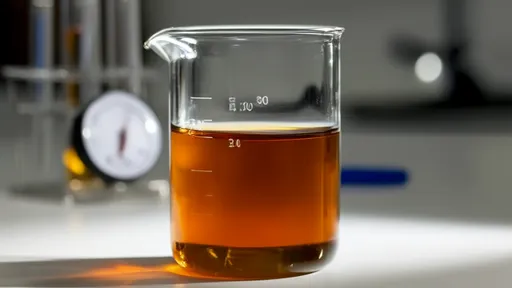
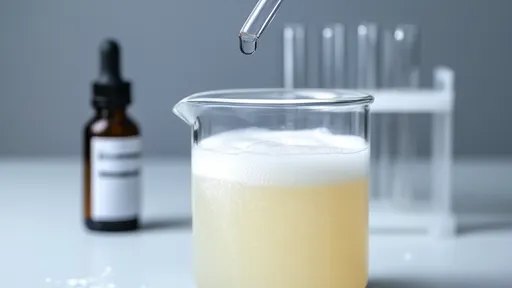
Once samples are gathered, the real work of isolation commences. This typically involves creating a selective environment that encourages yeast growth while suppressing bacteria and molds. A common method is to prepare a liquid medium—often a simple mixture of water, sugar, and nutrients—and inoculate it with the collected material. This mixture is then incubated at room temperature for several days. Bubbles, a frothy surface, or a distinct aroma often signal successful fermentation, indicating that yeast is active.
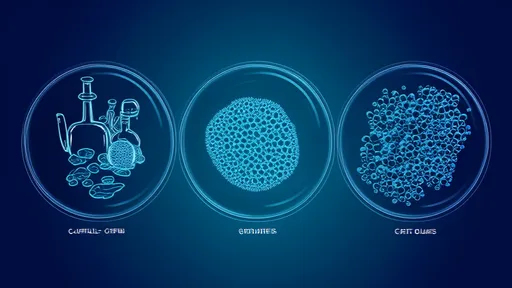
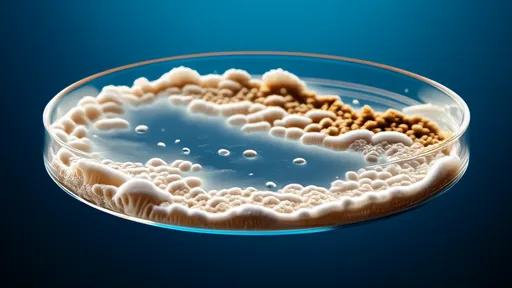
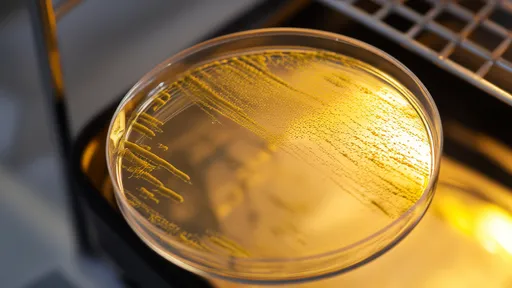
After this enrichment step, the culture is streaked onto solid agar plates. These plates contain antibiotics or acidified media to further inhibit bacterial growth. Over the course of a few days, individual yeast colonies begin to appear, each representing a potentially distinct strain. Under a microscope, these colonies can be preliminarily identified by their cellular morphology—round or oval budding cells that distinguish them from other microbes.
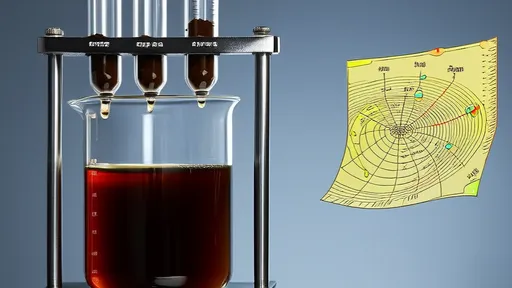
With isolated colonies in hand, the next stage is identification and characterization. Modern techniques might involve genetic sequencing to determine the species, such as whether it belongs to the Saccharomyces family or is a non-Saccharomyces strain like Brettanomyces or Pichia. However, even without advanced tools, cultivators can learn much through simple sensory tests. Small-scale fermentations—mini bread doughs or tiny beer worts—can reveal a yeast’s fermentation vigor, flavor production, and alcohol tolerance.
The heart of domestication lies in the gradual adaptation of a wild yeast to controlled conditions. Wild strains are often initially frail in artificial environments; they may ferment slowly, produce off-flavors, or die under stress. Through serial repitching—repeatedly using the yeast from one successful fermentation to inoculate the next—the strain acclimates. This iterative process mimics natural selection, favoring cells that thrive under the desired parameters. Over time, a once-wild yeast becomes more reliable, developing a stability that makes it suitable for production-scale use.
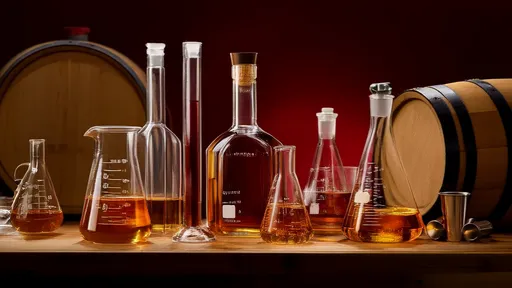
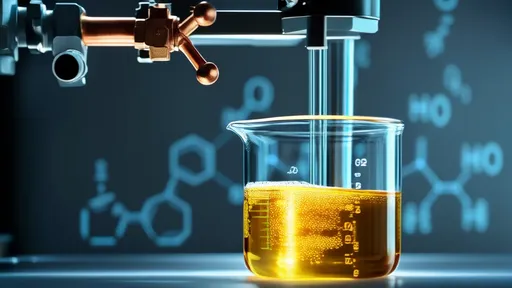
Flavor development is a critical dimension of this journey. Wild yeasts are renowned for creating complex, nuanced profiles that commercial strains cannot replicate. Esters, phenols, and alcohols produced during fermentation contribute to aromas and tastes ranging from fruity and floral to spicy and funky. The specific conditions of fermentation—temperature, pH, oxygen levels—can dramatically influence these outcomes, offering the cultivator a palette of variables to manipulate in pursuit of a desired sensory experience.
Yet the path is not without obstacles. Contamination remains a perpetual risk, as other microbes compete with the target yeast. Inconsistent performance can frustrate efforts to scale up, and some strains may produce undesirable compounds like excessive acidity or volatile phenols. The cultivator must therefore be patient, meticulous, and resilient, often maintaining detailed logs of each trial to track progress and setbacks.
Ethical and ecological considerations also come into play. While domesticating wild yeast does not typically raise the same concerns as manipulating higher organisms, it is still a form of biocultural appropriation. Some argue that strains sourced from specific regions should be acknowledged for their provenance, especially if commercialized. Moreover, as interest in wild fermentation grows, there is a need to avoid overharvesting or disrupting local microbial ecosystems, though this risk is currently considered low.
In the end, domesticating wild yeast is as much an art as it is a science. It requires a blend of curiosity, patience, and technical skill. Those who embark on this journey often speak of it as a form of dialogue with nature—a process of listening to and learning from the microbial world. The rewards are tangible: unique ferments that carry the signature of their environment, a literal taste of place that cannot be duplicated.
As research continues to unveil the diversity and potential of environmental microbes, the practice of wild yeast domestication is poised to expand. From small-batch breweries and bakeries to scientific labs exploring new biocatalysts, the applications are broad and inspiring. This timeless practice, updated with modern tools, reminds us that some of the most powerful transformations begin with the smallest of life forms.
By /Aug 29, 2025
By /Aug 29, 2025

By /Aug 29, 2025
By /Aug 29, 2025
By /Aug 29, 2025
By /Aug 29, 2025
By /Aug 29, 2025
By /Aug 29, 2025
By /Aug 29, 2025
By /Aug 29, 2025
By /Aug 29, 2025
By /Aug 29, 2025
By /Aug 29, 2025
By /Aug 29, 2025
By /Aug 29, 2025
By /Aug 29, 2025
By /Aug 29, 2025
By /Aug 29, 2025
By /Aug 29, 2025
By /Aug 29, 2025