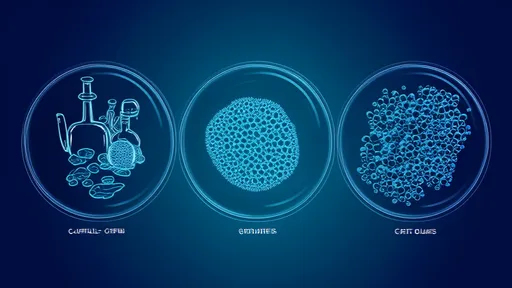
Traditional fermented beverages have been cherished across cultures for centuries, not only for their unique flavors but also for their cultural significance and health benefits. Among these, kefir, kvass, and sweet rice wine stand out as prominent examples, each harboring a distinct microbial ecosystem that drives the fermentation process. The differences in their microbial consortia are not merely academic; they shape the sensory profiles, nutritional properties, and even the cultural practices surrounding these beverages. Understanding these microbial communities offers a window into the intricate world of fermentation, where tiny organisms work in concert to transform simple ingredients into complex, flavorful drinks.
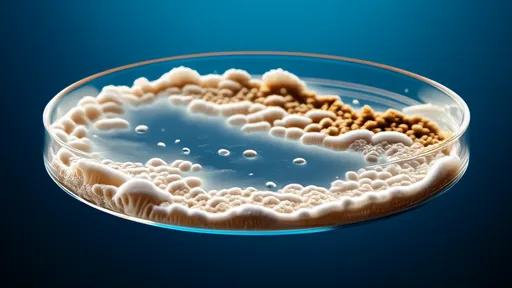
Kefir, a fermented milk drink with origins in the Caucasus Mountains, is renowned for its rich and diverse microbial composition. The fermentation is primarily driven by kefir grains, which are not true grains but rather symbiotic matrices of bacteria and yeasts. These grains resemble small cauliflower florets and are composed of a complex community including Lactobacillus species such as Lactobacillus kefiranofaciens and Lactobacillus kefiri, which produce exopolysaccharides that form the grain structure. Alongside these bacteria, yeasts like Saccharomyces cerevisiae, Kluyveromyces marxianus, and Candida kefyr play crucial roles, contributing to alcohol production and flavor development. This diverse consortium results in a slightly effervescent, tangy beverage with a nuanced flavor profile that includes notes of acidity, yeastiness, and a hint of sweetness. The microbial diversity in kefir is not static; it varies based on factors like geography, production methods, and even the history of the grain culture, making each batch a unique microbial snapshot.
In contrast, kvass, a traditional Slavic beverage made from rye bread, relies on a simpler microbial community. Historically, kvass was fermented spontaneously using the natural microbiota present on the bread or in the environment, but modern production often involves starter cultures. The primary microorganisms in kvass are lactic acid bacteria, such as Lactobacillus plantarum and Lactobacillus brevis, which are responsible for the characteristic sourness. Yeasts are also present, typically Saccharomyces cerevisiae or wild yeasts like Candida species, which contribute to carbonation and a mild alcoholic content. However, the microbial diversity in kvass is generally lower than in kefir, and the fermentation process is shorter, often lasting only a few days. This results in a lightly fermented, refreshing drink with a dominant sour and malty flavor, complemented by subtle yeasty undertones. The simplicity of its microbial makeup makes kvass more susceptible to variation based on ingredients and environmental conditions, yet it remains a beloved beverage in Eastern European cultures.
Sweet rice wine, known as jiuniang in China and mirin in Japan, represents another facet of fermented beverages, with a focus on grain-based fermentation. Unlike kefir and kvass, sweet rice wine relies heavily on mold-initiated saccharification followed by yeast fermentation. The process begins with the inoculation of steamed glutinous rice with Aspergillus oryzae or related molds, which produce enzymes that break down starches into sugars. This sweetened rice is then fermented by yeasts, primarily Saccharomyces cerevisiae, though other yeasts like Rhodosporidium toruloides may also be involved in some traditional variations. The microbial community is thus a sequential partnership rather than a simultaneous consortium, leading to a sweet, aromatic, and mildly alcoholic beverage. The flavor profile is dominated by sweetness from the residual sugars, with complex notes from the mold-derived enzymes and the esters produced during yeast fermentation. This two-step process, involving both fungi and yeasts, sets sweet rice wine apart from beverages like kefir and kvass, where bacteria and yeasts often work concurrently.
The differences in microbial communities among these beverages are not arbitrary; they are deeply intertwined with the raw materials, fermentation conditions, and cultural traditions. Kefir's complex microbiota thrives in a dairy environment, where the proteins and fats provide a rich medium for both bacteria and yeasts. The grains themselves are a marvel of symbiosis, with bacteria producing the matrix that shelters the yeasts, and yeasts in turn creating conditions favorable for bacterial growth. This interdependence results in a stable ecosystem that can be propagated indefinitely, a testament to the resilience of natural fermentation. In contrast, kvass relies on the carbohydrates from rye bread, which support a simpler community focused on rapid acid production. The shorter fermentation time means that fewer microbial species have the opportunity to establish themselves, leading to a less diverse but highly efficient process. Sweet rice wine, with its mold-mediated saccharification, represents a more controlled fermentation, where the microbial actions are staged to achieve specific biochemical transformations. This allows for a greater degree of predictability in the final product, though artisanal producers still embrace the nuances introduced by environmental microbes.
Beyond their microbial differences, these beverages also vary in their health implications, largely driven by their unique microbiota. Kefir is often touted for its probiotic properties, thanks to its diverse array of lactic acid bacteria and yeasts that can colonize the gut and confer health benefits. Studies have suggested that kefir may improve lactose digestion, modulate the immune system, and even exhibit antimicrobial effects. Kvass, while less studied, is believed to offer digestive benefits due to its lactic acid bacteria content, though its lower microbial diversity may limit its probiotic potential compared to kefir. Sweet rice wine, on the other hand, is valued more for its nutritional content, such as vitamins and amino acids derived from the rice and mold activity, rather than for live probiotics, as the fermentation process often involves pasteurization or aging that reduces viable microbes. Thus, the health attributes of each beverage are a direct reflection of their microbial inhabitants and the fermentation processes they undergo.
In conclusion, the world of traditional fermented beverages is a fascinating tapestry of microbial diversity, with kefir, kvass, and sweet rice wine serving as prime examples. Each beverage is defined by its unique consortium of microorganisms—kefir with its complex symbiotic grains, kvass with its straightforward lactic acid bacteria and yeasts, and sweet rice wine with its sequential mold and yeast partnership. These microbial differences not only dictate the flavors and textures of the drinks but also their cultural roles and health benefits. As interest in traditional foods and gut health continues to grow, understanding these microbial ecosystems becomes increasingly important, offering insights that bridge ancient wisdom and modern science. Whether enjoyed for their taste, their cultural heritage, or their potential health benefits, these beverages remind us of the powerful, invisible world of microbes that shapes our food and our lives.
By /Aug 29, 2025
By /Aug 29, 2025

By /Aug 29, 2025
By /Aug 29, 2025
By /Aug 29, 2025
By /Aug 29, 2025

By /Aug 29, 2025

By /Aug 29, 2025

By /Aug 29, 2025
By /Aug 29, 2025

By /Aug 29, 2025
By /Aug 29, 2025
By /Aug 29, 2025

By /Aug 29, 2025
By /Aug 29, 2025
By /Aug 29, 2025
By /Aug 29, 2025

By /Aug 29, 2025

By /Aug 29, 2025
By /Aug 29, 2025